
-
***THE DATES THIS YEAR COINCIDE WITH THE NEW MOON AND THE PERSEID METEOR SHOWER!!!***
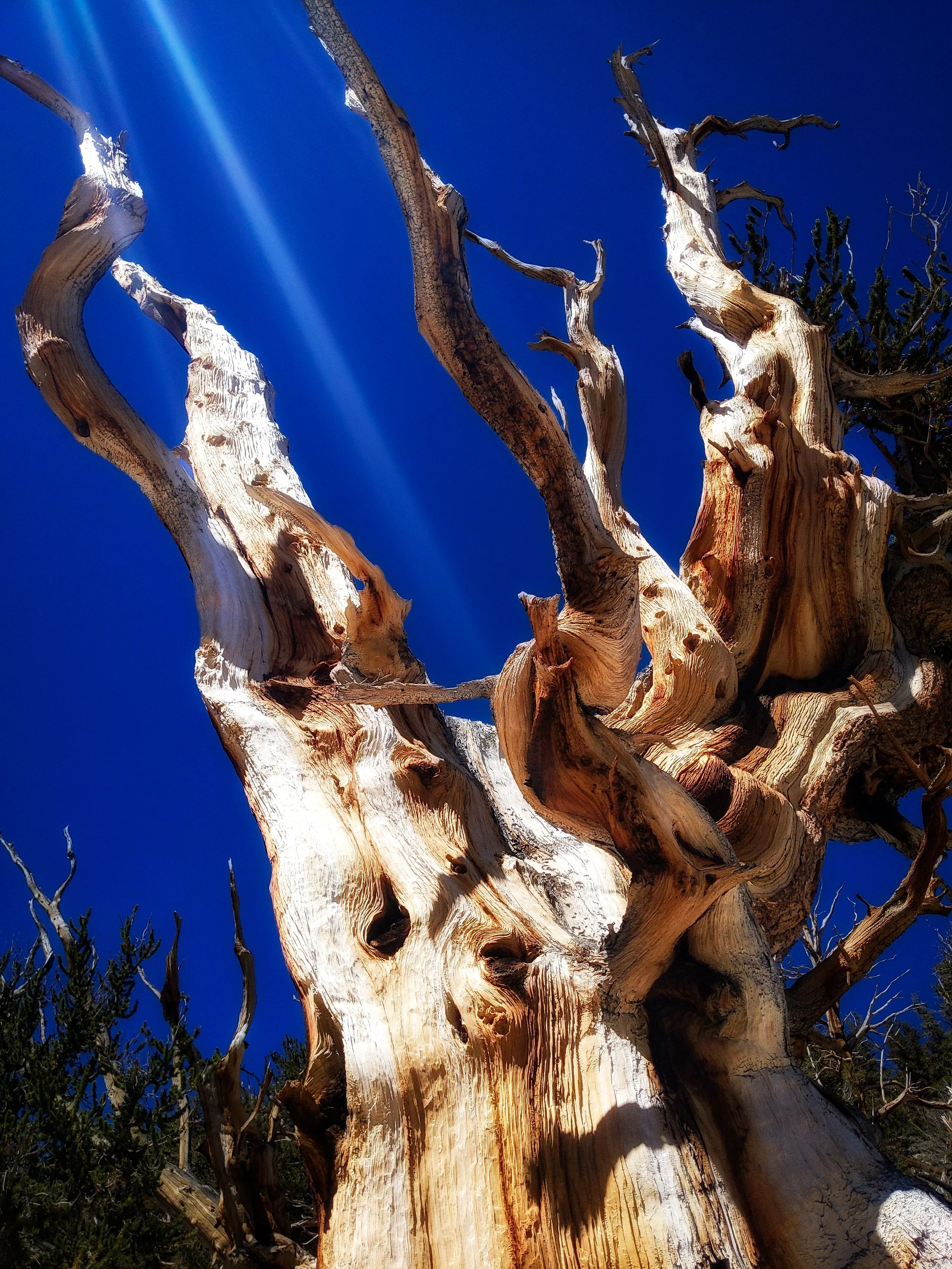
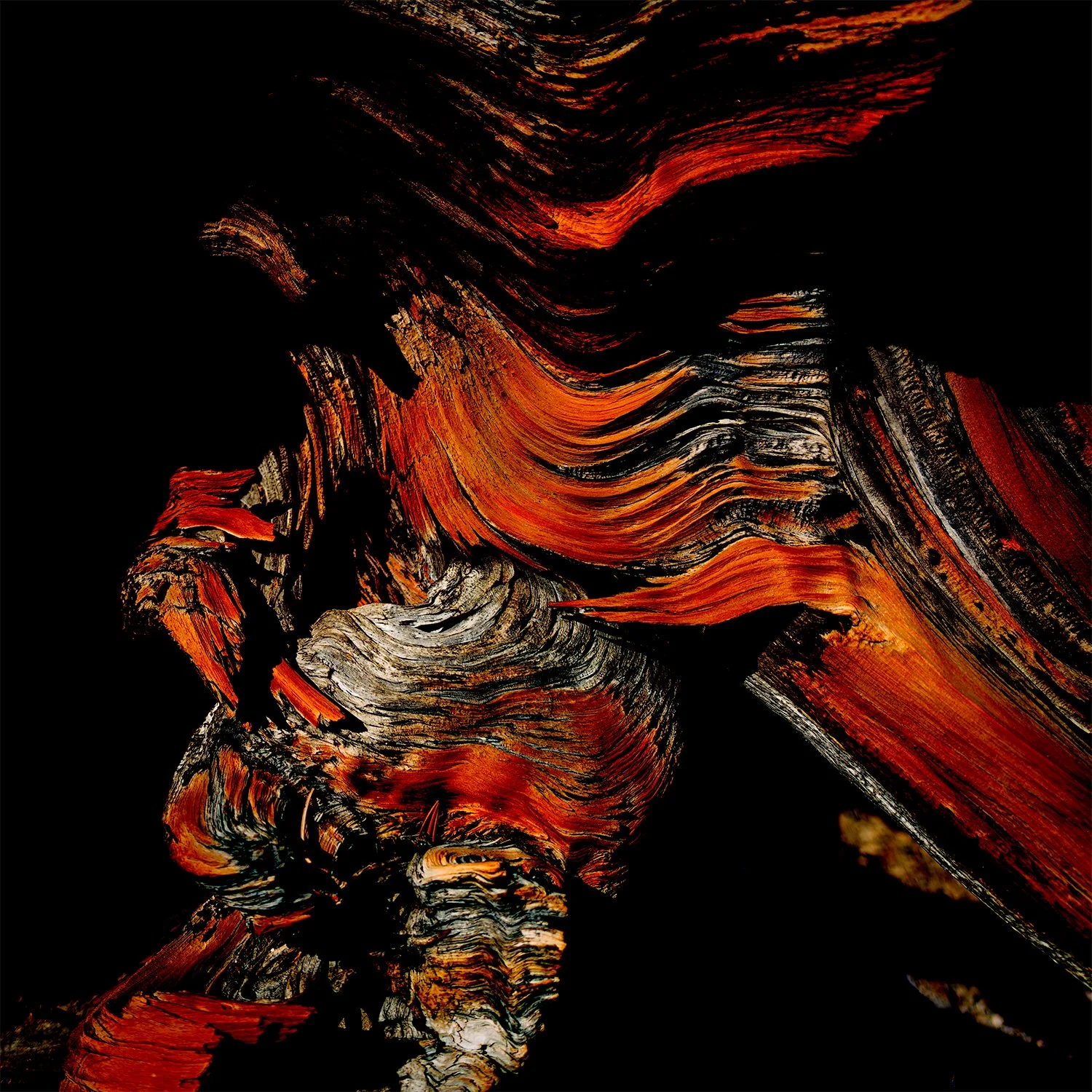
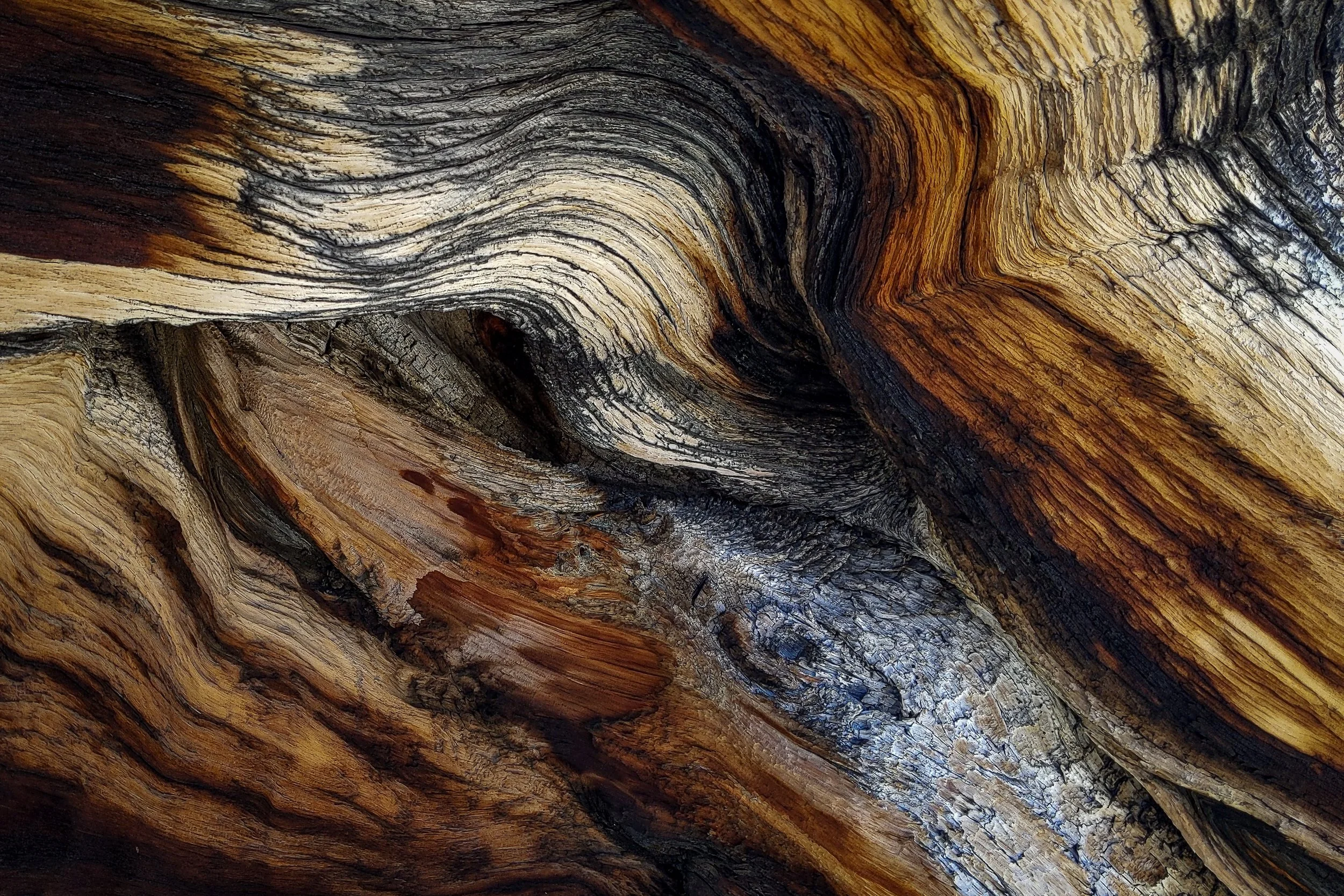
Bristlecone Pines are some of the most interesting and visually fascinating trees on Earth. They only inhabit high elevation alpine environments and we are lucky to have the best and most accessible one here in CA. They offer incredible textures and sculptural forms that can’t be found anywhere else on the planet.
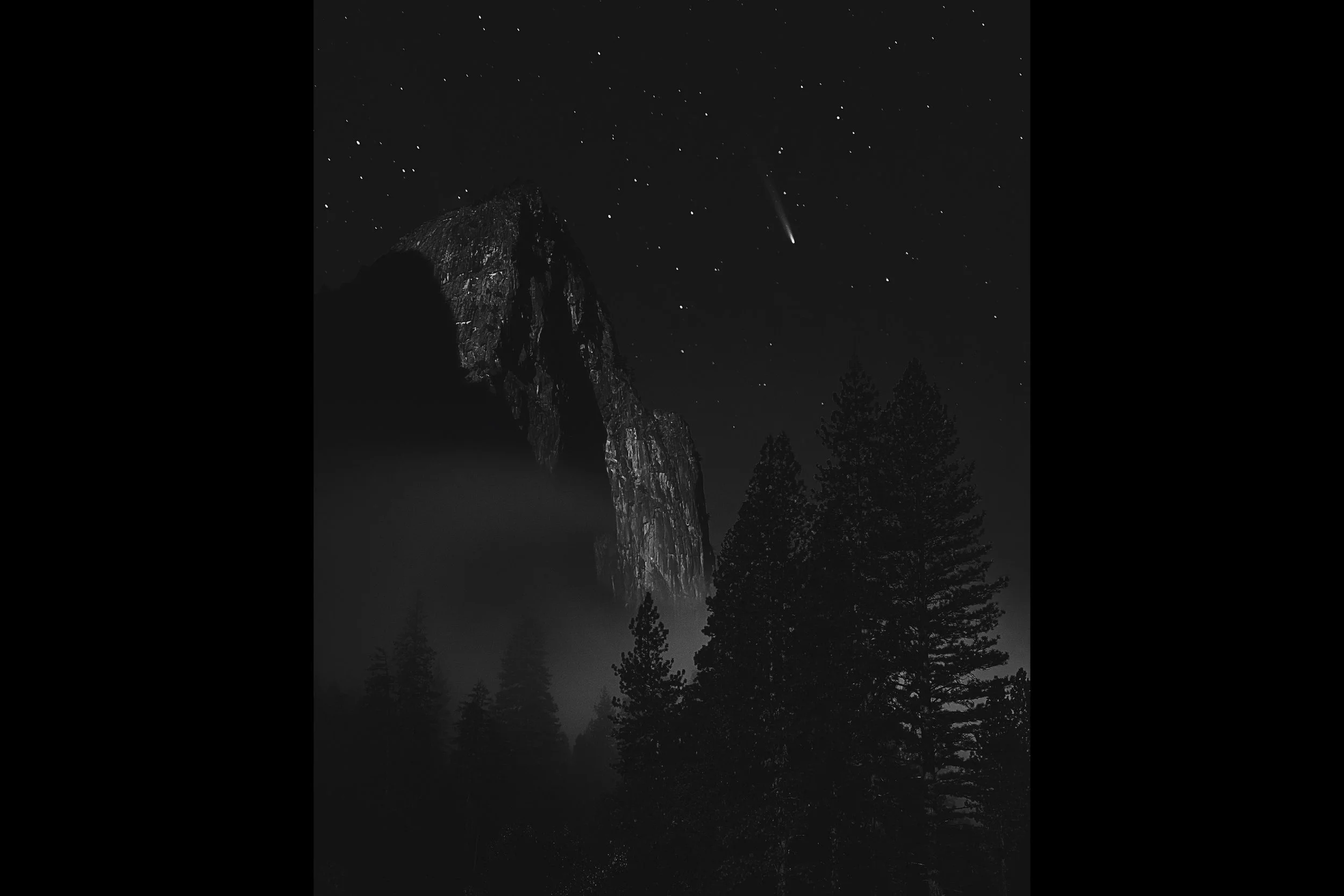
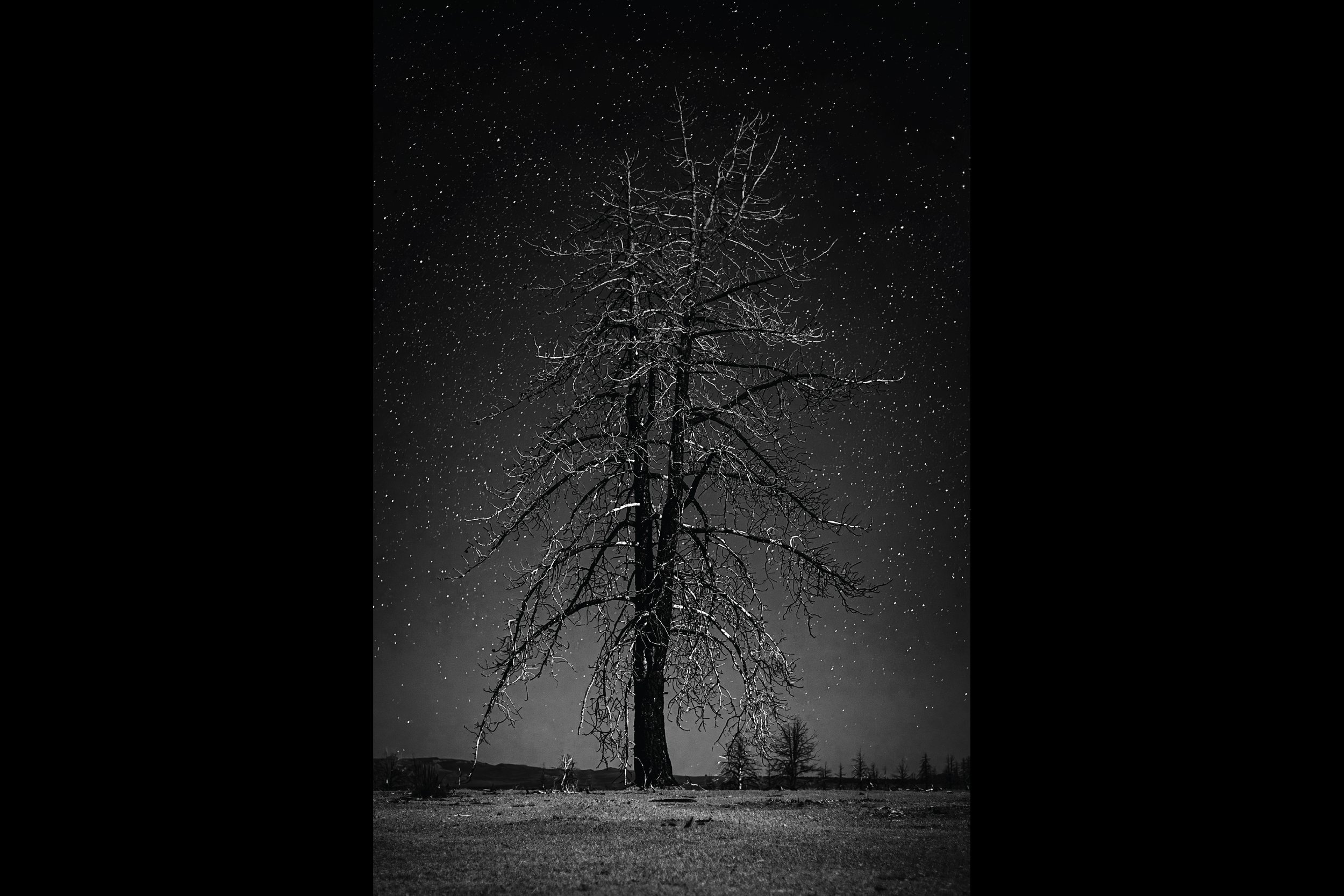
Exceptionally dark skies. Because the area is remote and high elevation, there is zero light pollution and nothing in the way of amazing astronomy viewing. Serious stargazers and astronomy aficionados regularly bring trailer size telescopes to view the night skies there.
Far fewer crowds than more famous California destinations like Yosemite.
A true hidden gem for landscape and night photographers.
-
Experience level:
This workshop is for anyone with a zest for adventure and amazing natural environments who owns a camera with manual mode (M), a live display, and a tripod. We pride ourselves on meeting you wherever you are in your photography journey, and have led experiences for everyone from first-day beginners to seasoned professionals on our tours and workshops.
Physical Requirements:
The campground we are staying at is 8,600’ elevation. The Ancient Bristlecone Pine Forest is at 10,000’+. Although the hiking trails we will be on are not very challenging per se, high elevation environments can be very physically taxing on your cardiovascular system. You should not hike over 8,000’ with uncontrolled heart conditions, severe pulmonary disease, or active respiratory infections (like pneumonia), or severe anemia.
High-Risk Medical Conditions:
Consult your doctor before attending if you have any of the following:
Coronary Heart Disease (CHD): Decreased oxygen can lead to chest pain (angina) or heart failure. Patients must have stable function and exercise capacity to travel to moderate elevations.
Severe Lung Conditions: Conditions like Chronic Obstructive Pulmonary Disease (COPD) or pulmonary hypertension drastically reduce your baseline blood oxygen.
Severe Anemia: Because you have fewer red blood cells to carry oxygen, you will feel the effects of hypoxia much faster.
Pregnancy: Traveling to high elevations can affect fetal heart rates; discuss limits with your OB-GYN.
-
Friday August 7th:
3-5 pm: Meetup at Grandview Campground in Bishop. Setup camp. Familiarize yourself with the surrounding area and scout possible compositions.
5-7 pm: Introductions and brief group portfolio review to see where each guest is at in their photography journey, and what their interests and styles are.
7-8 pm: Setup and plan sunset shoot.
8 pm on: Shoot sunset, blue hour, and the starlit sky until tired enough to go to sleep.
Saturday August 8th:
10-12am: Review previous day’s shots, discuss challenges, ideas for improvement, and answer any questions you might have. We will also go over some more advance techniques for night photography like light painting.
1-3 pm: Discuss basic editing techniques and processes and live edit a few shots as a group. We will also do a great photography exercise that will show you how to think outside your “typical” way of shooting.
4-10 pm: Drive to Ancient Bristlecone Pine Forest Visitor Center. We will walk around the trail as a group and discuss possible locations for maximizing the amazing compositions that exist there. Then the group will disperse and you can scout and shoot whatever strikes your fancy.
10 pm on: Drive back to camp. Shoot the starlit sky until tired enough to go to sleep.
Sunday August 9th:
10-12am: Review previous day’s shots, discuss challenges, ideas for improvement, and answer any questions you might have.
Noon: Depart campground for wherever the next adventure lies…
-
Camera body with Manual Mode (M), and live display on back.
Lenses with option for manual focus. Smaller, wide angle lenses 10-24mm are ideal, but anything 50mm and under will work fine. Ideally you want the lens to be fast (F2.8 or less).
External controllable light source like a flashlight or any accessories that are usable for light painting.
3-4 extra fully charged batteries. Long exposures can use up a lot of charge quickly. Ideally, you want a way to recharge your batteries when not using them so you always have a fresh one ready to go. Mobile charging packs are great for this.
Extra SD or CF cards, and a card reader to connect to laptop.
Laptop preloaded with whatever editing software you use. We use Photoshop, but they’re all basically the same.
Sturdy Tripod
Remote Trigger (if have). If your camera has the ability to use a countdown timer this isn’t critical.
Intervalometer (if have). Can do manually, but if want to do time-lapse/star trails etc., they are the best option.
Camping Gear
Tent
Sleeping Bag
Sleeping Pad
Pillow
Chair
Warm Clothing: Temps can drop into the 50's at night, so make sure you have a beanie, warm jacket, warm pants/long underwear, and gloves if needed.
Backpack or bag that you can transport and hike with your camera gear in.
Food and Water (1-2 gal per person/day)
Headlamp with Red Light option. Regular light on a headlamp will destroy your night vision, and make your stargazing neighbors mad.
Caffeine or 5 hour energy shots (if needed). These can be super helpful to stay awake and alert during the late hours of the evening.
-
This workshop is led led by Courtney Risdon, whose photographic expertise, decades of backcountry exploration, and instructional experience form the foundation of this immersive photography retreat.
Why learn with Courtney?
Multiple Time Award-Winning Photographer with a deep love of nature, and endless passion for the art of “drawing with light.”
Former Ansel Adams Gallery Yosemite Photography Guide who’s led hundreds of public and private photography tours for guests of all skill levels.
Courtney learned, developed under, and is still actively mentored by two world-class National Geographic photographers.
Deep knowledge of Sierra Nevada backroads, forest ecology, and local history, developed through a lifetime of exploration and continual learning.
40+ years of backcountry, camping, and hiking experience throughout the Sierra Nevada and beyond.
Thousands of guided outdoor experiences led, including off-road, photography, and mushroom tours.
Certified Interpretive Guide (2024) through the National Association for Interpretation, with specialized training in effective communication, education, and creating engaging outdoor learning experiences.
CPR and First Aid Certified, with a safety-first approach to every training session.
Every workshop is tailored to your experience level, your goals, and—most importantly—the photographic vision you have.
-
Why We Chose This Location:
The Ancient Bristlecone Pine Forest in California's White Mountains is home to the oldest living non-clonal organisms on Earth, with some individual trees exceeding 4,700 years of age. These trees thrive at 9,000–11,000 feet in harsh, high-altitude conditions where lack of competition, dense resinous wood, and poor, alkaline soils allow them to survive rather than perish.
Their extreme longevity and twisted forms make the forest highly distinct for several reasons:
Incredible Age: They were alive during the construction of the Egyptian Pyramids and the dawn of written history. Let that sink in for a second…The Methuselah tree, notably discovered by Dr. Edmund Schulman in 1957, is over 4,700 years old.
Climate Records: Because they grow so slowly in adverse conditions, their tree rings create incredibly precise chronologies. Scientists use these to understand past climate shifts and calibrate radiocarbon dating.
Harsh Adaptation: Their signature gnarled and twisted shapes are the result of surviving relentless gale-force winds, freezing temperatures, and minuscule amounts of moisture.
Unique Ecosystem: They grow natively in white dolomitic limestone soil, which reflects light and creates an isolated environment where very few other plant or tree species can compete.
Why It’s So Special For Photography:
The Ancient Bristlecone Pine Forest offers premier photography due to its ancient, twisted trees and high-altitude, desolate setting. At 10,000+ feet in the White Mountains, these 4,000-year-old survivors are sculpted into dramatic, gnarled shapes, creating striking silhouettes perfectly suited for landscape, monochrome, and astrophotography.
The unique visual appeal of this Inyo National Forest location breaks down into a few distinct characteristics:
Sculptural & Twisted Shapes: Harsh winds, bitter cold, and poor limestone soils force the trees to grow extremely slowly. They develop gnarled, weathered, and spiraling grain patterns. The deadwood ages gracefully—eroding like stone rather than rotting—giving them an intricate, skeletal texture.
Ideal for Monochrome: The striking contrast between the dark, highly textured wood and the bright, cloudless high-altitude skies makes these trees exceptional subjects for black-and-white photography.
Astrophotography Haven: Situated above 10,000 feet, the area is exceptionally remote with very low light pollution and crisp, thin air. This makes it an incredibly popular location for capturing the Milky Way and sharp night-sky details behind the ancient silhouettes.
Dramatic Lighting: The Patriarch Grove offers spectacular sunset opportunities, while the open forest layout allows you to easily compress scenes and play with harsh midday sunlight or long shadows without overwhelming undergrowth.
-
Do I need a professional camera?
No you don’t. As long as you have a camera with Manual Mode (M), a live display, and a sturdy tripod you are good.
Will we photograph the Milky Way?
Of course! We will have 2 nights dedicated to shooting the sky. Anything and everything in the cosmos is fair game, so you can let your imagination run wild.
Can beginners attend?
This workshop is for anyone with a zest for adventure and amazing natural environments. We pride ourselves on meeting you wherever you are in your photography journey, and have led experiences for everyone from first-day beginners to seasoned professionals on our tours and workshops.
Is transportation provided?
No. You will need to provide your own transportation to, around, and from the location.
What if it's cloudy?
Nature is unpredictable, which makes natural photography that much more exciting and dynamic. Clouds can provide some amazing composition options if that situation arises.
Can I bring a friend who doesn't photograph?
Unfortunately since this is a small group event (max 8 ppl), non-photographer guests are not allowed. This workshop is limited to registered participants to ensure the best learning experience for everyone.
Are restrooms available?
Grandview campground has public toilets with no potable water.
The Visitor Center has regular public restrooms with water.
Is there cell service?
Sometimes you will get limited cell service near mountain peaks, but you should assume you will be out of reception once you leave, and before you return through Big Pine. We will have a Starlink connection available at limited times throughout the adventure if needed
Are there options if I don’t want to or don’t have the gear to camp?
Yes. There are accommodations available in Big Pine, CA, which is about a 30 min drive to the campground, and 45 min drive to the Visitor Center.
-
Maximum group size is 8 people.
Does not include:
Camping gear
Meals
Transportation
Park/camping fees (if applicable)
No refunds will be given once payment has been processed. If you are unable to make your scheduled workshop for any reason, we will transfer that credit to another workshop or offer an awesome private workshop that works for everyone involved.
Click here for our → CA Liability Waiver
